
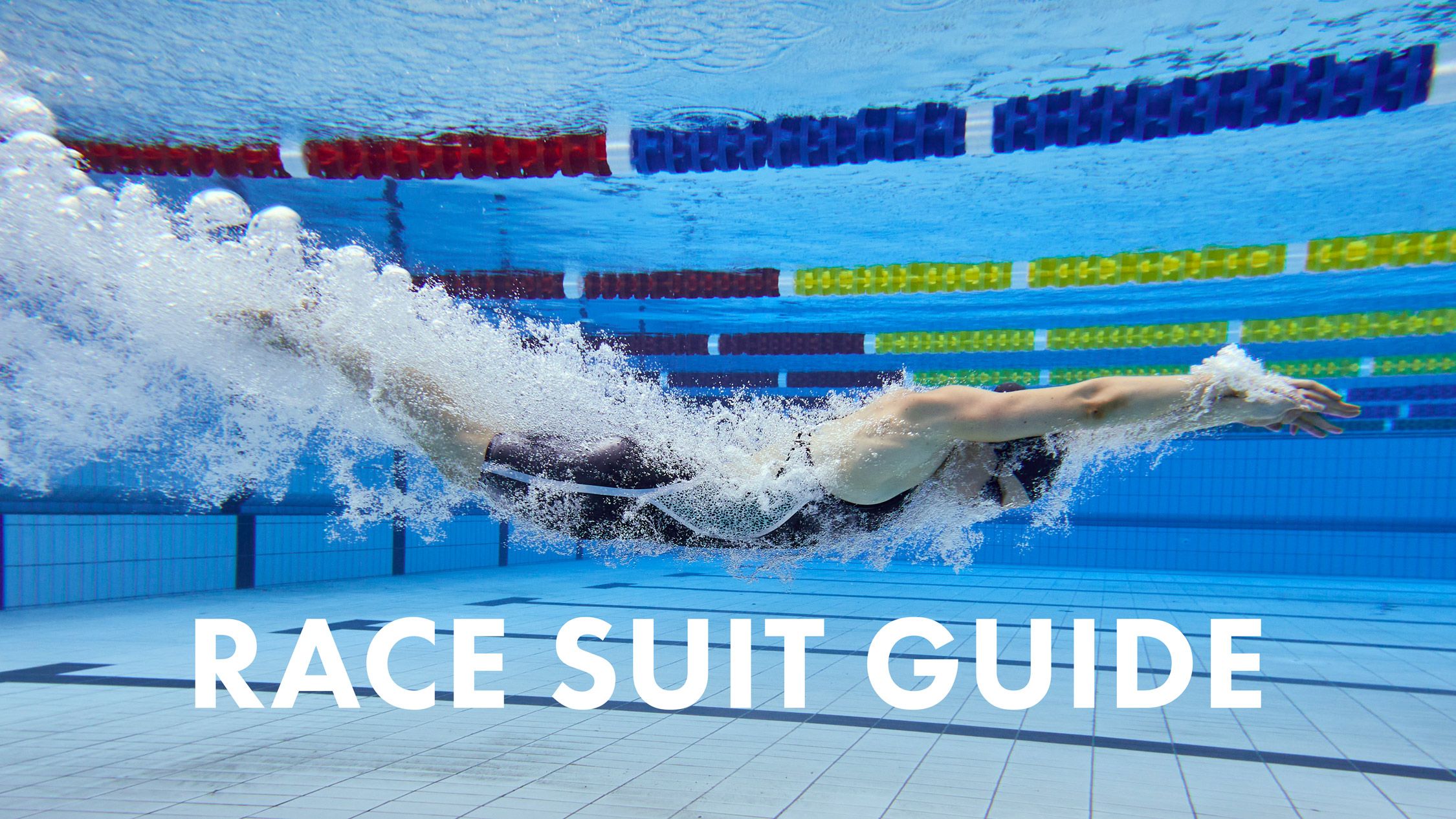
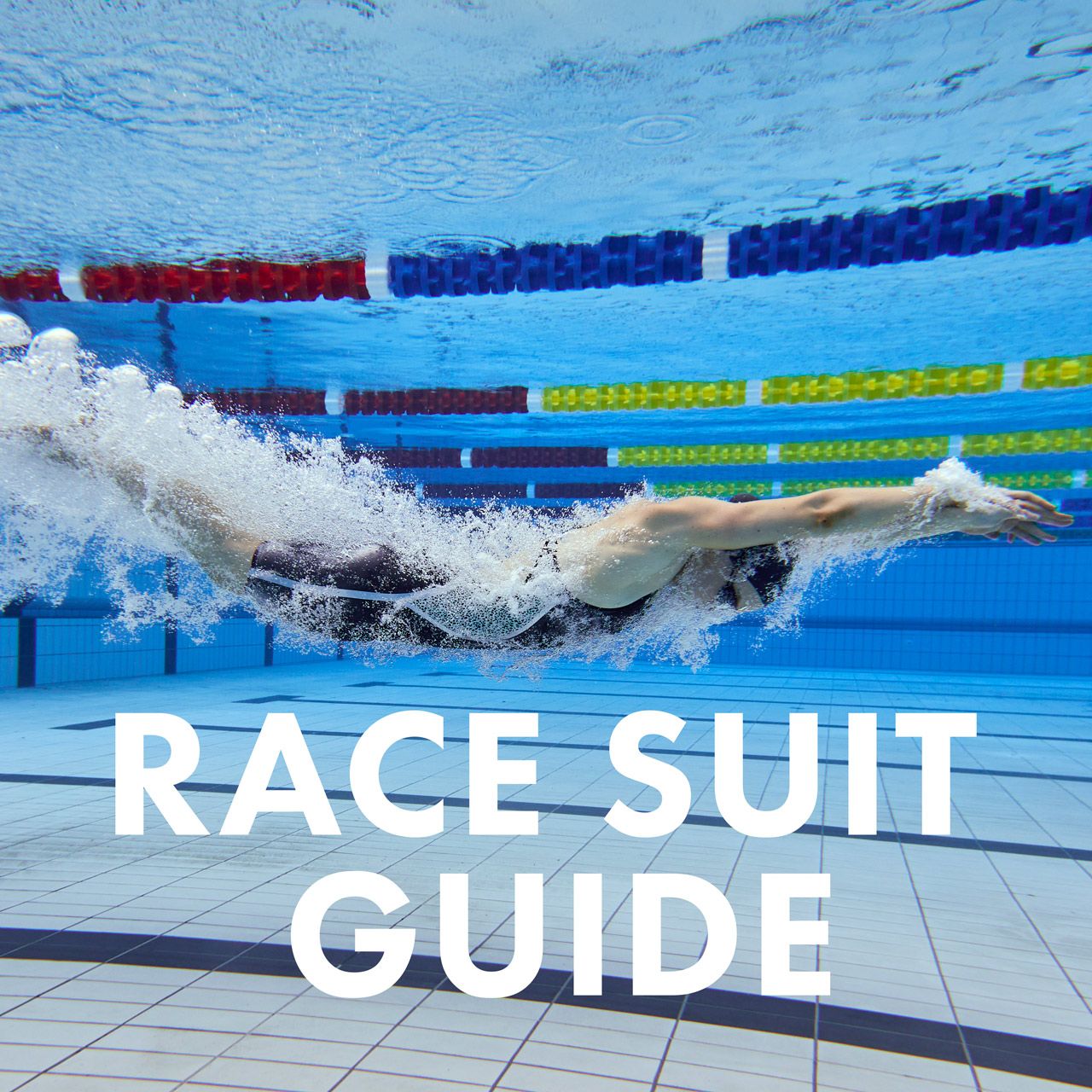
A performance suit, race suit or tech suit is a specialised swimsuit designed to enhance a swimmer's performance during swimming competitions. They are designed using advanced fabrics that undergo specialised treatments to resist water penetration and maintain strong compression around the body to reduce drag, improve muscle alignment, and help swimmers achieve peak performance in the water. While they resemble regular swimwear in appearance, tech suits are finely-tuned, precision-built garments which are the result of years of research and innovation in textile engineering, biomechanics, and competitive swimming analysis. Before you purchase a suit, we recommend reading the guide below, so you can make an informed decision if it is the right product for you.
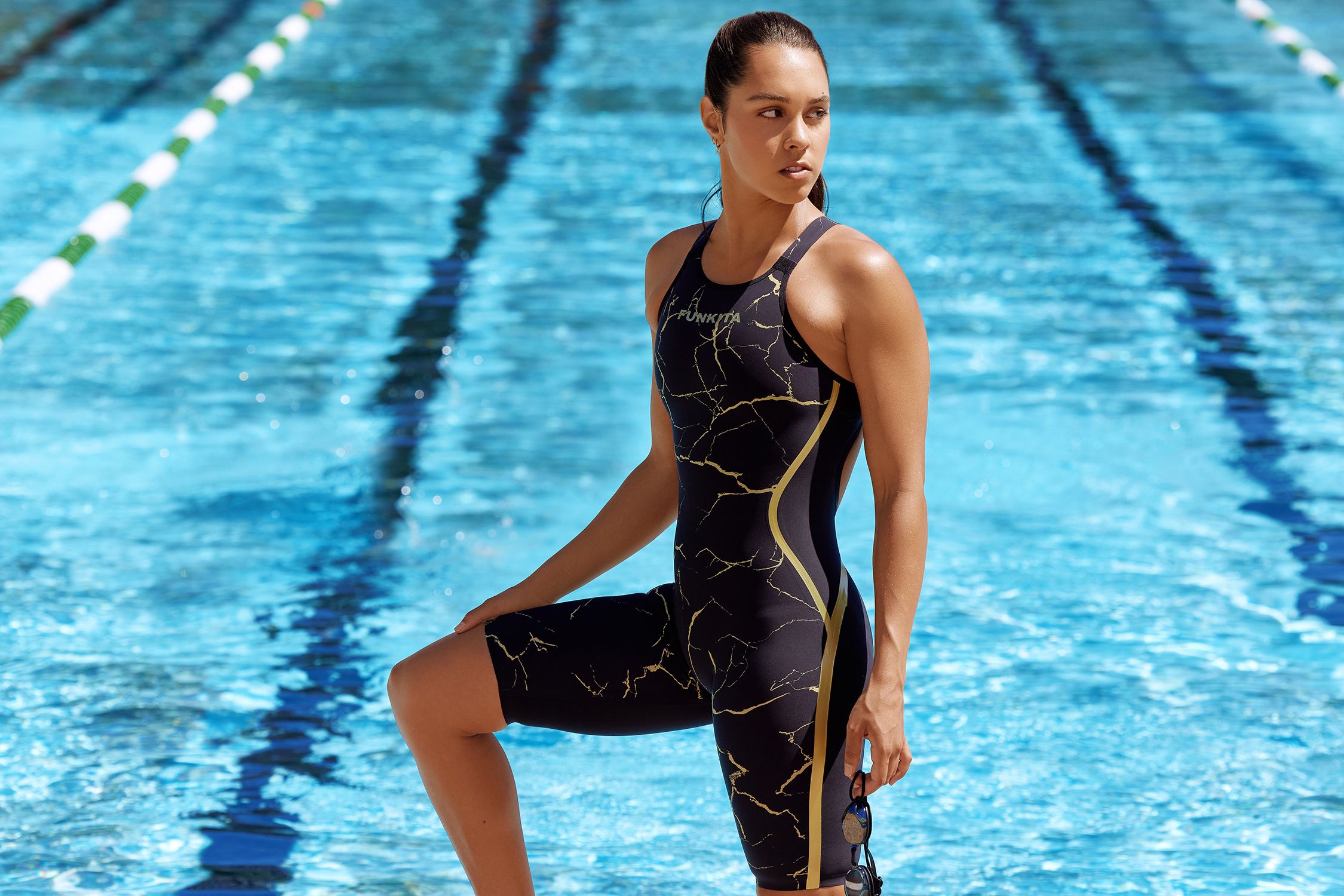
THE BENEFITS
Stepping onto the blocks and diving into the water in a tech suit is a completely different sensation to any regular training swim. Of course, the time and effort you put into training leading up to a big race is the main factor, but this is how a tech suit can help:
Tech suits use hydrophobic (water-repelling) fabrics that prevent water absorption. This keeps the suit lightweight and minimizes surface friction, allowing swimmers to glide faster through the water.
Strategic compression panels stabilise key muscle groups such as the quadriceps, glutes, and core. This enhances blood flow, reduces muscle vibration, and delays fatigue — crucial for maintaining stroke efficiency during races.
The suit’s structural design helps swimmers maintain a streamlined position, raising the hips and legs closer to the water’s surface. This reduces resistance and improves overall body alignment.
Compression can assist in improving circulation and oxygen delivery to muscles, helping swimmers sustain high-intensity effort for longer periods.
Putting on a tech suit can boost confidence and signal race readiness. The tight, sculpted feel often provides a competitive mindset and a sense of “race mode” focus.
FITTING A TECH SUIT
Tech suits are designed to fit tighter than training swimwear. You'll need plenty of time to fit a tech suit properly - it can take up to 20 minutes to put on a new suit correctly! If it's quick and easy to fit, then the suit is probably too big and you won't benefit from its compression. If the suit is too tight, it will restrict your movement and increase the risk of the suit tearing or breaking. Before you start, ensure both you and the suit are completely dry as fitting is much more difficult when wet. If you have long fingernails we strongly recommend wearing cotton gloves to protect the suit (and your fingernails!).
Most importantly, try to remain calm, patient and take your time when fitting your suit. If you are stressed, rushed or too hot, you are more likely to put it on incorrectly or worse still, damage the suit. When you first try on a suit, do it in a comfortable environment at home so you can prepare yourself for what it will be like on race day when you have to put your suit on in the changing rooms at the pool!
Step 1 Ensure you are completely dry. Hold the suit up to check you’re putting it on the right way.
Step 2 Turn up the leg grippers to help you slide each leg into the suit easier.
Step 3 Insert one foot through the neck of the suit and pull the leg opening up above the knee.
Step 4 Insert the other foot through the neck of the suit and as you pull the leg opening up above the knee, work the body of the suit up to your thighs.
Step 5 Work the upper legs and body of the suit up your legs, alternating legs and keeping the suit bunched together as you move it up your body.
Step 6 Once the legs are in position start to ease the suit over the hips. This is hard, so take it very slowly and work the suit up in small increments.
Step 7 Keep working the suit up your lower body ensuring the crotch is high against your body.
Step 8 Work the suit up your body and over your chest. Once it's sitting below your armpits, gently pull each strap over your shoulders one arm at a time. You may need help from a team mate to help you pull the straps up.
Step 9 Flip the leg grippers down and check that all seams and taping are aligned correctly. You are now ready to race!
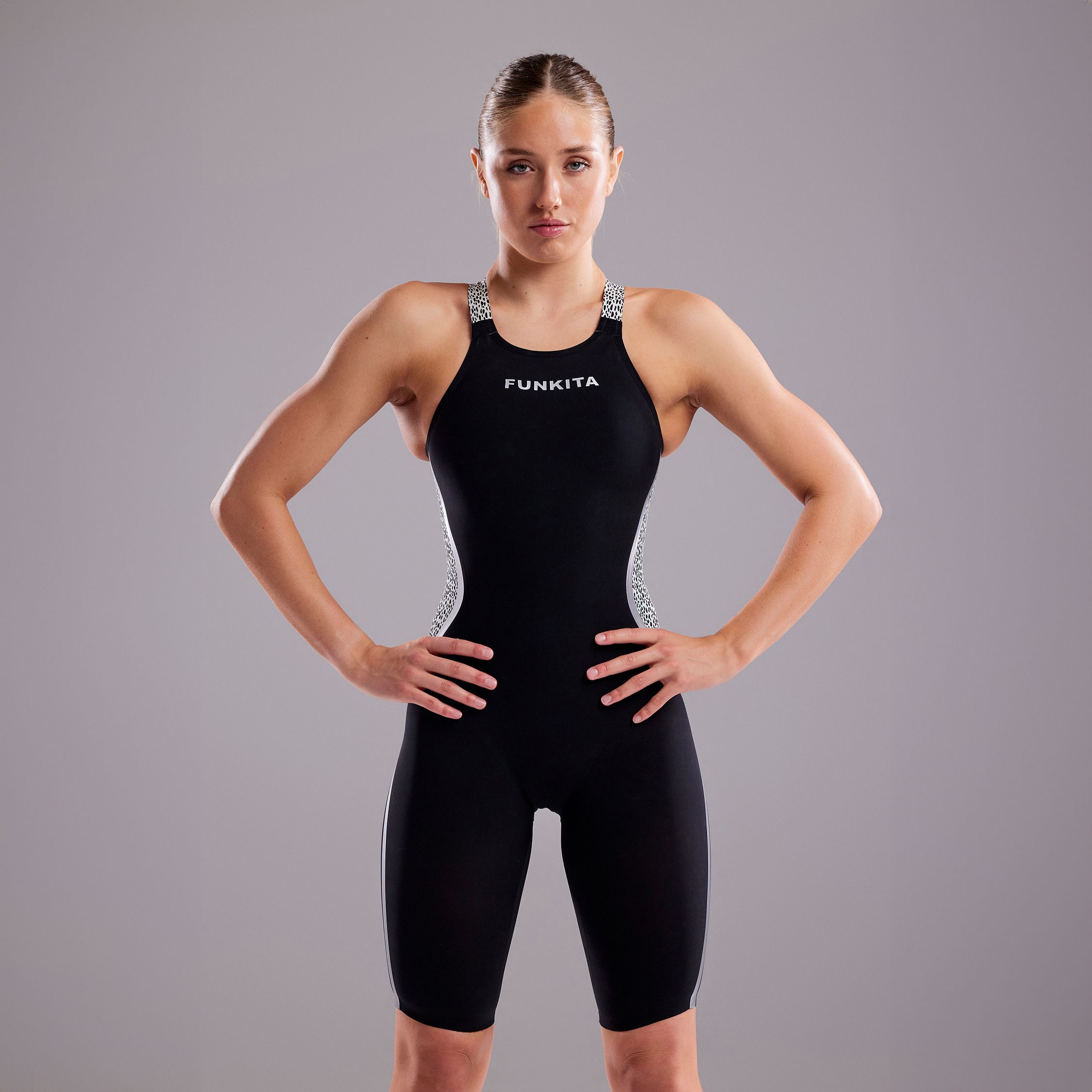
CARING FOR YOUR SUIT
Tech suits are expensive but the cost of the suit does not relate to how long it will last. An expensive suit does not necessarily last any longer than a cheaper suit. To maximise the life of your tech suit it is important to care for it after every use and store it appropriately. Unlike regular swimwear, tech suits are not chlorine resistant so they will not last more than one racing season. Here are a few tips to care for your suit:
Rinse thoroughly in cold fresh water after use. Do not apply any chemical wash to the suit, fresh water is the best for removing pool chemicals. Never machine wash.
Do not squeeze or wring out the suit. Let the suit dry naturally and keep away from artificial heat and sunlight.
Wear the suit as little as possible and only for your race. Do not sit around the pool deck or on rough edges in your suit.
When putting the suit on only use the pads of your fingers. Keep away from sharp objects and avoid long nails when fitting.
Before storing the suit away for a prolonged period of time, rinse thoroughly in cold fresh water. Pool water chemicals that remain in the suit will continue to eat away at the fabric, elastic and bonding while in storage.
HOW TO GET THE MOST OUT OF YOUR SUIT
It may sound counterintuitive when you have spent a lot of money on a new tech suit, but you should plan to wear it as little as possible. All tech suits will stretch the more they are worn and the muscle compression the suit provides will decrease after every wear. If a suit is kept on for several hours between races this will add to the number of hours the suit is worn and further reduce its longevity.
Ideally you should wear a dry suit for each race and for the shortest amount of time possible. Plan your time on race day, to put your suit on just prior to your race (without causing stress) and then removing it as soon as possible after the race. Sitting around in a wet race suit will compress your muscles when you want them to be recovering.
Many swimmers plan their race day to have a second suit or back up suit, which may be a cheaper model or an older suit, to wear in less important races. Keeping your best suit for your main event, not only ensures this suit will last longer, but will help provide you the additional compression and lift in the water, that will hopefully drive you towards a great result when you touch the wall.
AGE GROUP RESTRICTIONS
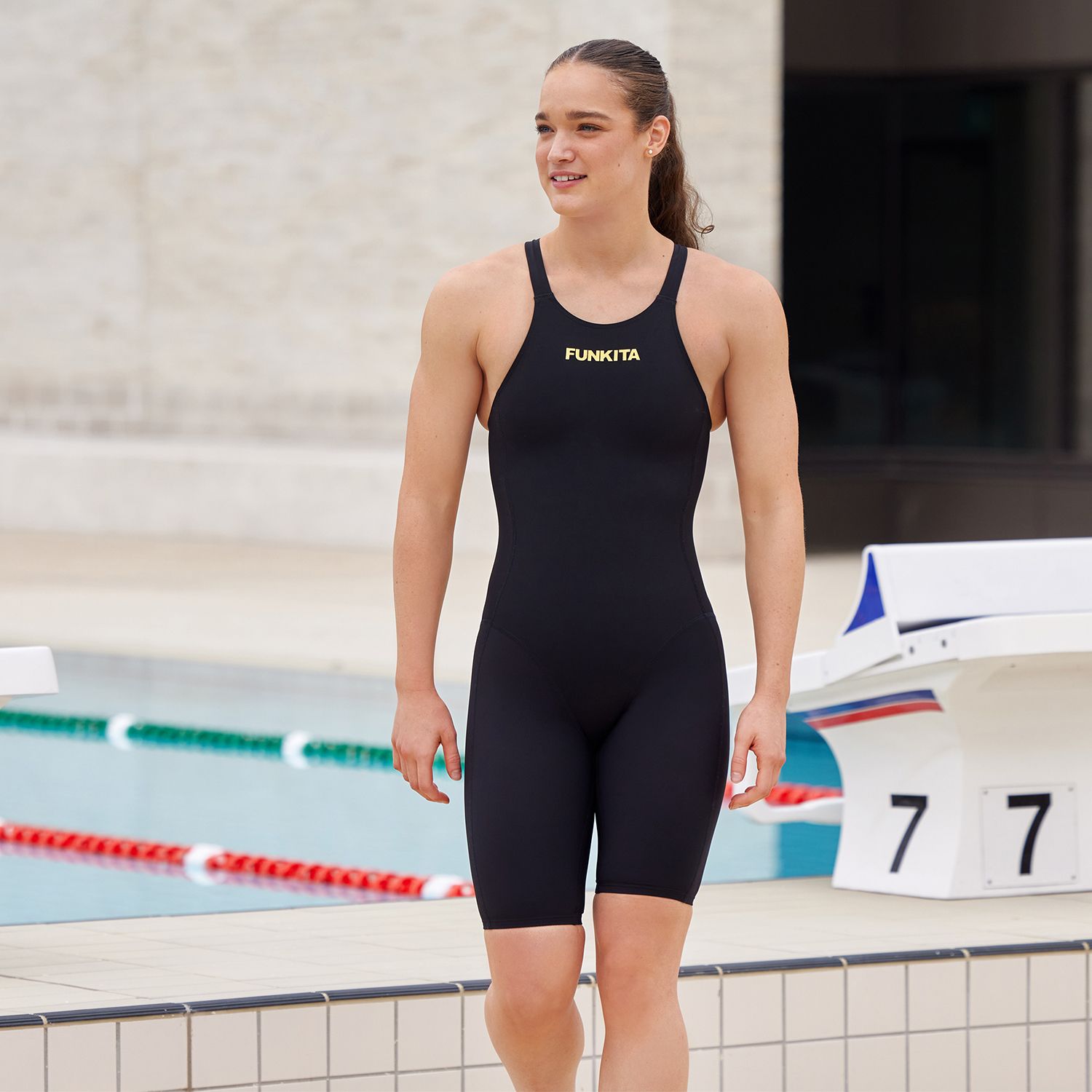
National and Regional swimming governing bodies around the world have adopted rules that restrict the tech suits that age-group swimmers are allowed to wear in competition. Many bodies have followed the rules adopted by USA Swimming which state that no 12-and-under swimmer may wear a tech suit in competition that has bonded seams or is made of woven fabrics. This means 12-and-under athletes must wear a tech suit with sewn seams (stitching) and is made of a knitted fabric. Since the Funkita APEX Viper complies with these requirements it is approved for 12-and-under swimmers to wear in competition.
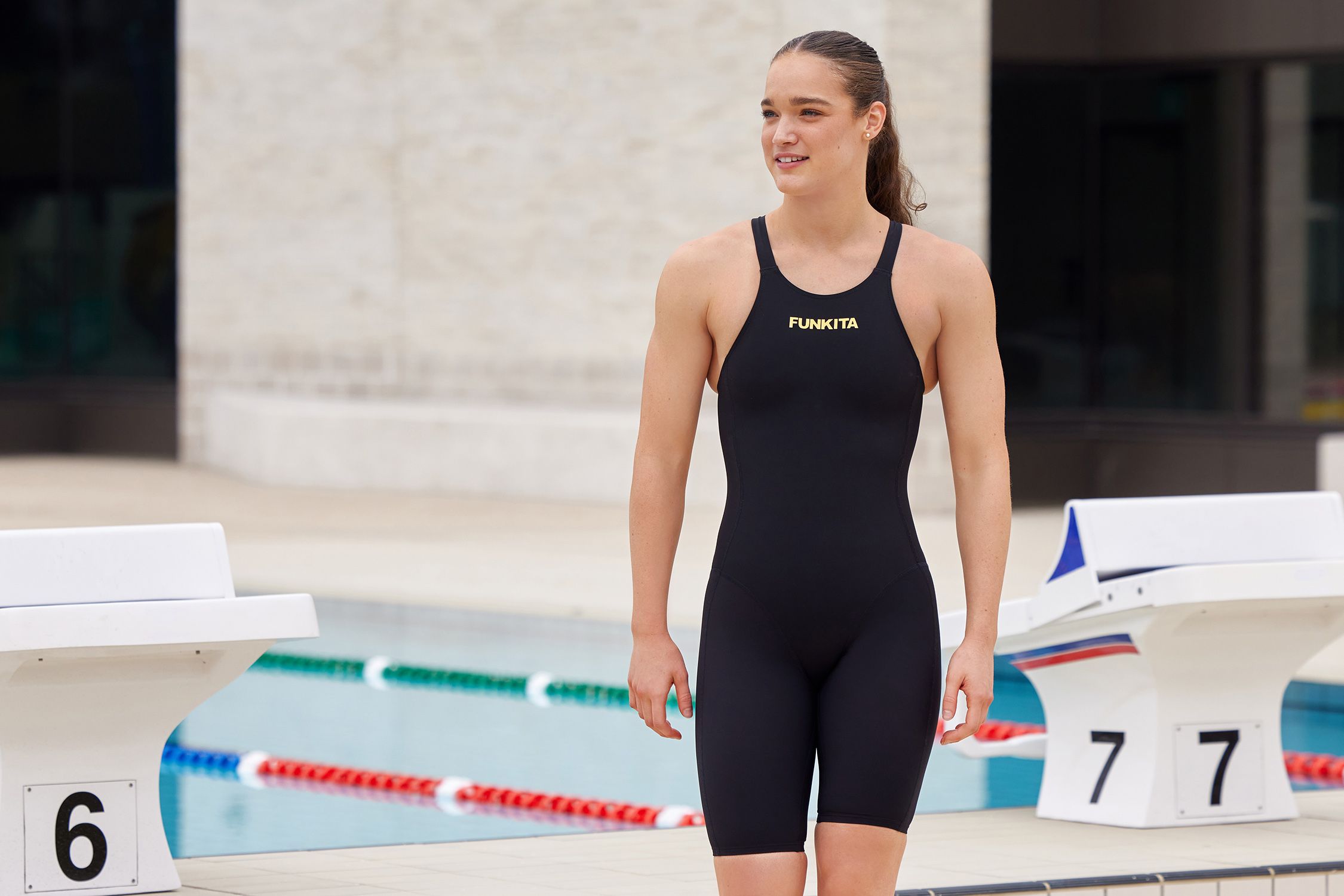
FREQUENTLY ASKED QUESTIONS
WHY ARE TECH SUITS MORE EXPENSIVE THAN REGULAR SWIMWEAR?
Tech suits are made from ultra-light, hydrophobic fabrics such as polyamide, elastane, or carbon fiber-infused materials. These fabrics are engineered at a microscopic level to repel water and retain elasticity under extreme compression.
Instead of traditional stitching, seams are often ultrasonically welded or thermally bonded. This process reduces drag and improves durability — but it’s also time-intensive and requires specialised machinery.
Each suit is designed through biomechanical analysis, mapping pressure zones to specific muscle groups. The placement and tension of each fabric panel are carefully calibrated to maximise performance.
Tech suits are performance tools, not everyday swimwear. Their elasticity and water-repellent coatings degrade with use, meaning they are designed for peak performance over a limited number of races.
There is alot of investment in R&D before a new tech suit is manufactured, including testing with elite swimmers, hydrodynamic modeling, and FINA (World Aquatics) compliance certification — all of which add to the cost.
CAN I DO OCEAN SWIMMING IN MY PERFORMANCE SUIT?
Yes, our APEX Performance Suit can be used for ocean swim races however we do recommend you take extra precautions to ensure the suit is protected as much as possible from the harsh elements. Below are some of our recommendations:
Make sure you avoid placing the suit in any hot conditions, so do not leave it in a hot car, as the heat can melt any glue that is applied.
Ensure you wash the suit thoroughly as soon as possible after use in cold water and only store once dry.
Be careful when putting on and taking off the suit if you are on rough ground or sand to ensure the suit is not damaged in the process.
If you are racing for a long period of time, consider your comfort over the compression from a very tight suit, which may mean purchasing a bigger size.
HOW DO I KNOW IF MY SUIT FITS PROPERLY?
When you first try on a new tech suit it is important to check that it is the right size for you before diving into the water.
Signs the suit is too big:
It is really easy and quick to put on.
You can grab too much fabric on the leg
You can grab too much of the shoulder strap and lift above your ear level
If you have managed to get the suit onto your body, it may be too small if:
The shoulder straps are cutting into your shoulders especially when you move your arms through a normal streamline or swimming stroke.
The leg gripper is cutting into your leg with excessive pressure that is causing more than just mild discomfort.
IS TRAINING SWIMWEAR APPROVED BY WORLD AQUATICS (FINA) FOR RACING?
Training swimwear is approved for racing because it does not technically represent a technical racing suit. It is a traditional permeable textile without a surface treatment. World Aquatics (FINA) deals with ‘conventional swimwear’ in its rules to say that:
It is clarified that swimsuits, can be accepted even if they do not bear a valid FINA approval label provided they effectively and evidently fulfil the material requirements set forth in the current FINA Requirements for Swimwear Approval. This is notably the case for swimsuits made of traditional permeable textile (i.e. open mesh material) material (such as cotton, Nylon, Lycra and the like) with no application of surface treatment closing the open mesh structure and wetsuits which expressly fulfil the thickness requirement (for example wetsuit thickness provided by manufacturer).
HOW LONG DOES A TECH SUIT LAST?
Despite the cost of tech suit, it is likely to only last a single racing season, but factors including tightness, storage duration and care in putting on and taking off the suit, may restrict it to 6 - 12 swims. Prolonging the life of your suit can be achieved by closely following the care instructions and our tips on how to extend the life of your suit.
SHOULD I PURCHASE A TECH SUIT?
A tech suit is a big investment for any swimmer, so it is extremely important to research the different suits available on the market and which will best suit your individual needs. Spending more money on a tech suit does not guarantee a more durable garment or a more comfortable fit, in fact it can be the opposite! Elite tech suits normally require a swimmer to have experience in fitting their own suit and awareness about how the suit will feel on the body in and out of the water. These suits can add pressure to a swimmer's routine on race day, as they can be very difficult to put on, adding stress to the nerves that a swimmer may be feeling.
Younger swimmers coming into the sport would be better suited to progessing their times through further training rather than purchasing a top-of-the-line, expensive tech suit. More affordable tech suits, like the APEX Viper, are not only cheaper, but they will also provide the swimmer with a slightly easier fit, reducing the pressure on race day to put their suit on.
WHAT IS THE APEX VIPER SECURE?
The Funkita APEX Viper Secure Race Suit replicates the styling of our APEX Viper Race Suit that is approved for racing by USA Swimming for 12 & Under but it includes the same absorbent gusset lining that we include in our popular Period Proof collection, offering light flow protection while female swimmers are on their period so they can continue to race and swim with confidence. Funkita lobbied World Aquatics to update the Competition Regulations to allow swimwear with a period-proof gusset to be given approval for competition and in July 2024 they did! We are very proud to have initiated this change in the World Aquatics rules and to release the the world-first suit on September 1, 2024, with the addition of an absorbent gusset.
SHOULD I WEAR GLOVES WHEN FITTING MY SUIT?
We strongly recommend the use of cotton gloves to put on and take off your tech suit. Cotton gloves prevent long or rough fingernails from snagging the suit, and will also disperse the pressure of your fingers on the suit, reducing the risk of tearing the fabric or the seams. In addition, traces of the hydrophobic treatment that is used on the fabric surface can transfer onto your hands if gloves are not worn. If you decide not to wear gloves, you should wash your hands after putting on and taking off your suit.
A performance suit, race suit or tech suit is a specialised swimsuit designed to enhance a swimmer's performance during swimming competitions. They are designed using advanced fabrics that undergo specialised treatments to resist water penetration and maintain strong compression around the body to reduce drag, improve muscle alignment, and help swimmers achieve peak performance in the water. While they resemble regular swimwear in appearance, tech suits are finely-tuned, precision-built garments which are the result of years of research and innovation in textile engineering, biomechanics, and competitive swimming analysis. Before you purchase a tech suit, we recommend reading the guide below, so you can make an informed decision if it is the right product for you.
THE BENEFITS
Stepping onto the blocks and diving into the water in a tech suit is a completely different sensation to any regular training swim. Of course, the time and effort you put into training leading up to a big race is the main factor, but this is how a tech suit can help:
Tech suits use hydrophobic (water-repelling) fabrics that prevent water absorption. This keeps the suit lightweight and minimizes surface friction, allowing swimmers to glide faster through the water.
Strategic compression panels stabilise key muscle groups such as the quadriceps, glutes, and core. This enhances blood flow, reduces muscle vibration, and delays fatigue — crucial for maintaining stroke efficiency during races.
The suit’s structural design helps swimmers maintain a streamlined position, raising the hips and legs closer to the water’s surface. This reduces resistance and improves overall body alignment.
Compression can assist in improving circulation and oxygen delivery to muscles, helping swimmers sustain high-intensity effort for longer periods.
Putting on a tech suit can boost confidence and signal race readiness. The tight, sculpted feel often provides a competitive mindset and a sense of “race mode” focus.
FITTING A TECH SUIT
Tech suits are designed to fit tighter than training swimwear. You'll need plenty of time to fit a tech suit properly - it can take up to 20 minutes to put on a new suit correctly! If it's quick and easy to fit, then the suit is probably too big and you won't benefit from its compression. If the suit is too tight, it will restrict your movement and increase the risk of the suit tearing or breaking. Before you start, ensure both you and the suit are completely dry as fitting is much more difficult when wet. If you have long fingernails we strongly recommend wearing cotton gloves to protect the suit (and your fingernails!).
Most importantly, try to remain calm, patient and take your time when fitting your suit. If you are stressed, rushed or too hot, you are more likely to put it on incorrectly or worse still, damage the suit. When you first try on a suit, do it in a comfortable environment at home so you can prepare yourself for what it will be like on race day when you have to put your suit on in the changing rooms at the pool!
Step 1 Ensure you are completely dry. Hold the suit up to check you’re putting it on the right way.
Step 2 Turn up the leg grippers to help you slide each leg into the suit easier.
Step 3 Insert one foot through the neck of the suit and pull the leg opening up above the knee.
Step 4 Insert the other foot through the neck of the suit and as you pull the leg opening up above the knee, work the body of the suit up to your thighs.
Step 5 Work the upper legs and body of the suit up your legs, alternating legs and keeping the suit bunched together as you move it up your body.
Step 6 Once the legs are in position start to ease the suit over the hips. This is hard, so take it very slowly and work the suit up in small increments.
Step 7 Keep working the suit up your lower body ensuring the crotch is high against your body.
Step 8 Work the suit up your body and over your chest. Once it's sitting below your armpits, gently pull each strap over your shoulders one arm at a time. You may need help from a team mate to help you pull the straps up.
Step 9 Flip the leg grippers down and check that all seams and taping are aligned correctly. You are now ready to race!
CARING FOR YOUR SUIT
Tech suits are expensive but the cost of the suit does not relate to how long it will last. An expensive suit does not necessarily last any longer than a cheaper suit. To maximise the life of your tech suit it is important to care for it after every use and store it appropriately. Unlike regular swimwear, tech suits are not chlorine resistant so they will not last more than one racing season. Here are a few tips to care for your suit:
Rinse thoroughly in cold fresh water after use. Do not apply any chemical wash to the suit, fresh water is the best for removing pool chemicals. Never machine wash.
Do not squeeze or wring out the suit. Let the suit dry naturally and keep away from artificial heat and sunlight.
Wear the suit as little as possible and only for your race. Do not sit around the pool deck or on rough edges in your suit.
When putting the suit on only use the pads of your fingers. Keep away from sharp objects and avoid long nails when fitting.
Before storing the suit away for a prolonged period of time, rinse thoroughly in cold fresh water. Pool water chemicals that remain in the suit will continue to eat away at the fabric, elastic and bonding while in storage.
HOW TO GET THE MOST OUT OF YOUR SUIT
It may sound counterintuitive when you have spent a lot of money on a new tech suit, but you should plan to wear it as little as possible. All tech suits will stretch the more they are worn and the muscle compression the suit provides will decrease after every wear. If a suit is kept on for several hours between races this will add to the number of hours the suit is worn and further reduce its longevity.
Ideally you should wear a dry suit for each race and for the shortest amount of time possible. Plan your time on race day, to put your suit on just prior to your race (without causing stress) and then removing it as soon as possible after the race. Sitting around in a wet race suit will compress your muscles when you want them to be recovering.
Many swimmers plan their race day to have a second suit or back up suit, which may be a cheaper model or an older suit, to wear in less important races. Keeping your best suit for your main event, not only ensures this suit will last longer, but will help provide you the additional compression and lift in the water, that will hopefully drive you towards a great result when you touch the wall.
AGE GROUP RESTRICTIONS
National and Regional swimming governing bodies around the world have adopted rules that restrict the tech suits that age-group swimmers are allowed to wear in competition. Many bodies have followed the rules adopted by USA Swimming which state that no 12-and-under swimmer may wear a tech suit in competition that has bonded seams or is made of woven fabrics. This means 12-and-under athletes must wear a tech suit with sewn seams (stitching) and is made of a knitted fabric. Since the Funkita APEX Viper complies with these requirements it is approved for 12-and-under swimmers to wear in competition.
FREQUENTLY ASKED QUESTIONS
WHY ARE TECH SUITS MORE EXPENSIVE THAN REGULAR SWIMWEAR?
Tech suits are made from ultra-light, hydrophobic fabrics such as polyamide, elastane, or carbon fiber-infused materials. These fabrics are engineered at a microscopic level to repel water and retain elasticity under extreme compression.
Instead of traditional stitching, seams are often ultrasonically welded or thermally bonded. This process reduces drag and improves durability — but it’s also time-intensive and requires specialised machinery.
Each suit is designed through biomechanical analysis, mapping pressure zones to specific muscle groups. The placement and tension of each fabric panel are carefully calibrated to maximise performance.
Tech suits are performance tools, not everyday swimwear. Their elasticity and water-repellent coatings degrade with use, meaning they are designed for peak performance over a limited number of races.
There is alot of investment in R&D before a new tech suit is manufactured, including testing with elite swimmers, hydrodynamic modeling, and FINA (World Aquatics) compliance certification — all of which add to the cost.
CAN I DO OCEAN SWIMMING IN MY PERFORMANCE SUIT?
Yes, our APEX Performance Suit can be used for ocean swim races however we do recommend you take extra precautions to ensure the suit is protected as much as possible from the harsh elements. Below are some of our recommendations:
Make sure you avoid placing the suit in any hot conditions, so do not leave it in a hot car, as the heat can melt any glue that is applied.
Ensure you wash the suit thoroughly as soon as possible after use in cold water and only store once dry.
Be careful when putting on and taking off the suit if you are on rough ground or sand to ensure the suit is not damaged in the process.
If you are racing for a long period of time, consider your comfort over the compression from a very tight suit, which may mean purchasing a bigger size.
HOW DO I KNOW IF MY SUIT FITS PROPERLY?
When you first try on a new tech suit it is important to check that it is the right size for you before diving into the water.
Signs the suit is too big:
It is really easy and quick to put on.
You can grab too much fabric on the leg
You can grab too much of the shoulder strap and lift above your ear level
If you have managed to get the suit onto your body, it may be too small if:
The shoulder straps are cutting into your shoulders especially when you move your arms through a normal streamline or swimming stroke.
The leg gripper is cutting into your leg with excessive pressure that is causing more than just mild discomfort.
IS TRAINING SWIMWEAR APPROVED BY WORLD AQUATICS (FINA) FOR RACING?
Training swimwear is approved for racing because it does not technically represent a technical racing suit. It is a traditional permeable textile without a surface treatment. World Aquatics (FINA) deals with ‘conventional swimwear’ in its rules to say that:
It is clarified that swimsuits, can be accepted even if they do not bear a valid FINA approval label provided they effectively and evidently fulfil the material requirements set forth in the current FINA Requirements for Swimwear Approval. This is notably the case for swimsuits made of traditional permeable textile (i.e. open mesh material) material (such as cotton, Nylon, Lycra and the like) with no application of surface treatment closing the open mesh structure and wetsuits which expressly fulfil the thickness requirement (for example wetsuit thickness provided by manufacturer).
HOW LONG DOES A TECH SUIT LAST?
Despite the cost of tech suit, it is likely to only last a single racing season, but factors including tightness, storage duration and care in putting on and taking off the suit, may restrict it to 6 - 12 swims. Prolonging the life of your suit can be achieved by closely following the care instructions and our tips on how to extend the life of your suit.
SHOULD I PURCHASE A TECH SUIT?
A tech suit is a big investment for any swimmer, so it is extremely important to research the different suits available on the market and which will best suit your individual needs. Spending more money on a tech suit does not guarantee a more durable garment or a more comfortable fit, in fact it can be the opposite! Elite tech suits normally require a swimmer to have experience in fitting their own suit and awareness about how the suit will feel on the body in and out of the water. These suits can add pressure to a swimmer's routine on race day, as they can be very difficult to put on, adding stress to the nerves that a swimmer may be feeling.
Younger swimmers coming into the sport would be better suited to progessing their times through further training rather than purchasing a top-of-the-line, expensive tech suit. More affordable tech suits, like the APEX Viper, are not only cheaper, but they will also provide the swimmer with a slightly easier fit, reducing the pressure on race day to put their suit on.
WHAT IS THE APEX VIPER SECURE?
The Funkita APEX Viper Secure Race Suit replicates the styling of our APEX Viper Race Suit that is approved for racing by USA Swimming for 12 & Under but it includes the same absorbent gusset lining that we include in our popular Period Proof collection, offering light flow protection while female swimmers are on their period so they can continue to race and swim with confidence. Funkita lobbied World Aquatics to update the Competition Regulations to allow swimwear with a period-proof gusset to be given approval for competition and in July 2024 they did! We are very proud to have initiated this change in the World Aquatics rules and to release the the world-first suit on September 1, 2024, with the addition of an absorbent gusset.
SHOULD I WEAR GLOVES WHEN FITTING MY SUIT?
We strongly recommend the use of cotton gloves to put on and take off your tech suit. Cotton gloves prevent long or rough fingernails from snagging the suit, and will also disperse the pressure of your fingers on the suit, reducing the risk of tearing the fabric or the seams. In addition, traces of the hydrophobic treatment that is used on the fabric surface can transfer onto your hands if gloves are not worn. If you decide not to wear gloves, you should wash your hands after putting on and taking off your suit.